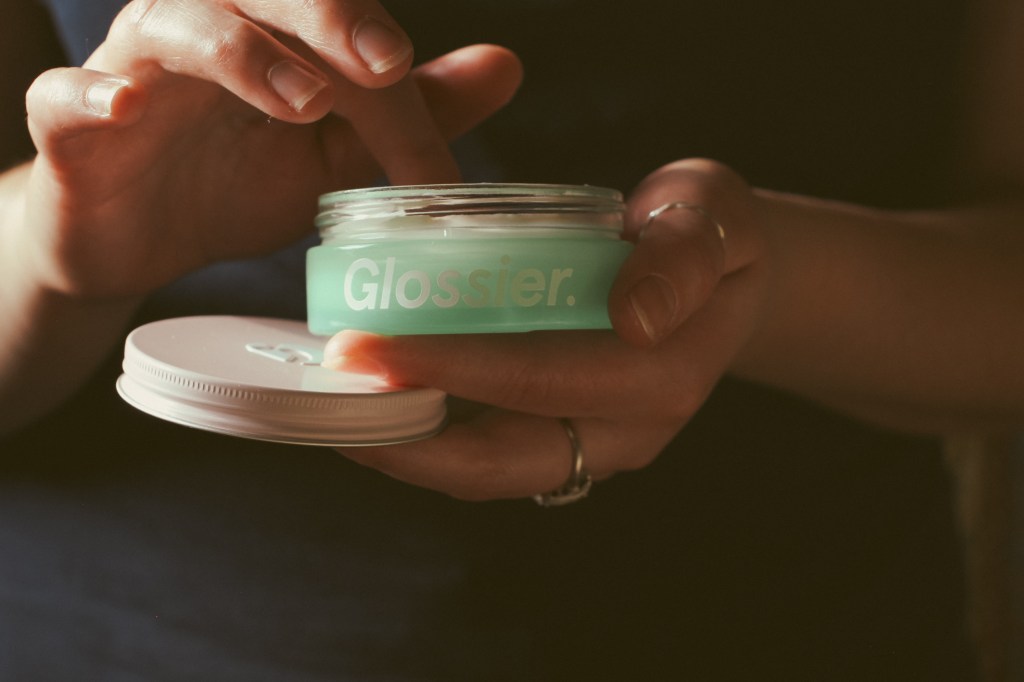
The first time I heard the term “skin barrier” was last year when I had completely wrecked mine. I had started incorporating exfoliating acids (BHA & AHAs) in my routine without doing too much research about their potency being sensitizing to your skin. I was practically drenching my skin morning and night with an exfoliating toner. Yet, I could not figure out why my skin started to feel dry, tight, and irritated. That’s when I discovered this article on Vouge about how to repair a damaged skin barrier. There are tons of golden nuggets of info in the article about how to treat and protect the outermost layer of your skin. One suggestion is to simplify your skincare routine. Facialist Katharine Mackenzie Paterson told Vogue, “Strip your skincare routine back and keep it simple…Think cleanser, moisturizer, and SPF – remove any retinoids or acids, in particular.”
It turns out that I’m not the only one interested in improving my skin barrier health. A quick Google search yielded a whopping 111 million results for the term ‘skin barrier repair’!
But before we go into details about how to repair it, let’s first identify what is your skin barrier?
Your skin barrier is the outermost layer of your skin, also known as the epidermis. It has two main jobs: to keep the good stuff sealed in (like natural oils, hydration, and moisture) and to keep the bad things out (like irritants in the environment, such as pollution and UV radiation). When your skin barrier becomes damaged, which can be caused by numerous factors such as genetics, environmental factors, or our skincare routines, it can result in your skin being red, dry, scaly, tight, or overly sensitive and inflamed in areas.
According to an article from The Dermstore Blog, here are the top three ways your skincare routine may be affecting your skin barrier:
- Washing your face with water that’s too hot or cold
- Over-exfoliating/using too many active ingredients
- Not wearing sunscreen
As I mentioned above, there are ways to restore and strengthen your skin barrier back to its former self if you’ve irritated it. One thing I did was strip back my skincare routine as Facialist Katharine Mackenize Paterson mentioned in her interview with Vogue. Another thing I started doing per Dr. Marco Nicoloso’s recommendation in that same Vogue article was making sure my nightly moisturizer contained barrier-building ingredients like ceramides, niacinamide, and fatty acids.
Over the past year, I’ve been putting three barrier-repairing moisturizers to the test to see which one would make my combination skin the happiest. Keep reading for a review of each barrier repair cream.
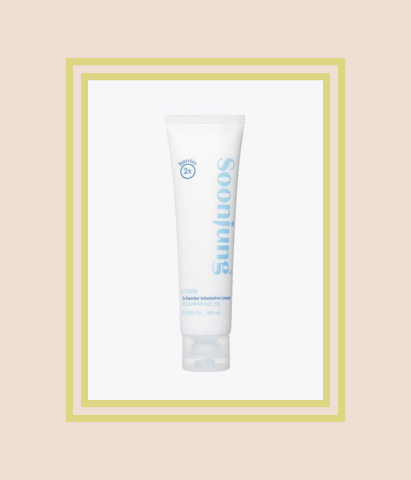
Etude Soon Jung 2x Barrier Intensive Cream
- Key Ingredients: Panthenol, Madecassoside, Sunflower Seed Oil
- Size: 60ml
- Price: $12.00
Kicking things off with this best-selling K-beauty cream. While the word ‘intensive’ is in the title, the cream felt very lightweight on the skin. In fact, this one had the lightest texture out of all three moisturizers I tested. The cream absorbed quickly and left my skin feeling silky and smooth. It is formulated with panthenol, which helps strengthen the skin barrier, and madecassoside, which soothes irritated skin. As I said, it was a lightweight moisturizer, so I reached for it more during spring and summer when my skin tends to be more oily. I’m happy to report the Etude Soon Jung 2x Barrier Intensive Cream didn’t clog my pores or cause any breakouts. I think if you have more oily skin, then this barrier repair cream will be for you.

La Roche-Posay Cicaplast Balm B5
- Key Ingredients: Panthenol, Shea Butter, Glycerin, Madecassoside, Copper, Zinc, Maganese, La Roche-Posay Thermal Spring Water
- Size: 1.3oz
- Price: $18.99
I’m calling this the Goldilocks of the barrier repair creams I tested. It wasn’t too light or heavy; it felt juuuust right on the skin. Similar to the Etude Soon Jung 2x Barrier Intensive Cream, the La Roche-Posay Cicaplast Balm B5 is also formulated with panthenol and madecassoside to help strengthen and soothe irritated skin. I discovered early on while testing out the balm that it’s a great multitasking product. For the cooler months, I used it as my nightly face cream. For the warmer months, I stopped using it as a night cream and instead treated the balm like an overnight mask. I would slather a thick layer all over a few nights a week before bed and wake up with juicy skin. I was so impressed! One thing to note: this balm contains zinc, so it does leave a white cast on your skin. That is why I only used the balm at night. If you want to use it during the day, make sure you really rub it in.
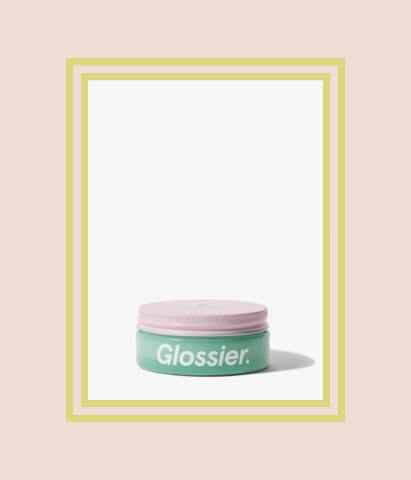
- Key Ingredients: Cupuaçu Butter, Babassu Oil, Green Microalgae Extract, Linoleic Acid
- Size: 50ml
- Price: $32
I’m saving the most hydrating for last! This moisture barrier repairing cream was like a puffer jacket for my skin. It had a rich, buttery texture that gave my skin the ultimate glazed doughnut look. The balm is formulated with hydrating-heros like glycerin and cupuaçu butter, which helps dry skin bounce back and lock in moisture. If you have dry or dehydrated skin, then the Glossier After Baume is for you! As a combo skin girlie, I thought the Glossier moisturizer was a tad too rich for me to use on a nightly basis, especially during the spring and summer when my skin is more oily. However! This barrier repair cream made a fabulous overnight mask. During the winter, when my skin felt like the Sahara Desert –thanks to the radiator sucking all the moisture from my skin– and nothing else was cutting it, I would apply a thick layer all over before bed and wake up with happy and hydrated skin.
If I Had To Pick A Favorite…
I think it’s pretty obvious, but if I had to pick my favorite barrier repair cream to recommend, it would be La Roche-Posay Cicaplast Balm B5. I’m already on my third tube since I started this year-long experiment! I love its multitasking abilities and the fact I can keep it in my skincare routine year-round. I also love how juicy and supple my skin looks when I use it.
I’m happy to report I’ve cut down on the exfoliating acids and incorporated some hydrating heroes to my routine, and now my skin barrier feels repaired! Woohoo!
Now It’s Your Turn!
Is there a barrier repair moisturizer that you’ve been loving? Or maybe one that didn’t quite live up to the hype? I want to hear all about it in the comments!
Thanks for reading The Chapman Chronicles today. I’m so happy you’re here.
 The Chapman Chronicles
Leave a comment